Why Most Exterior Paint Jobs Fail
Many homeowners are surprised when an exterior paint job begins to fail after only a few years. In most cases, the issue isn’t the paint itself, but the process behind it. This article outlines the most common causes of premature failure—including insufficient surface preparation, unmanaged moisture, lower-grade materials, and rushed application—and explains what’s required to achieve a finish that performs well for more than a decade.
Why exterior paint jobs fail
Is that peeling paint I see?
Drive through almost any neighborhood, and you’ll see it—homes with peeling trim, fading color, or paint that just looks…well, tired. What you would expect from a 10-15-year-old paint job.
The surprising part? Many of those paint jobs aren’t that old. In fact, most exterior paint failures happen within just 3–5 years. So what’s going wrong?
“We’ve come a long way in the durability department as far as paint is concerned,” explains Murphy Paint and Finishing Manager, Brandon Miller. “So, it’s not usually the paint itself. It’s everything that happens before the first coat ever goes on,” he says, “and that includes a lot of things you’ve got to do right or you’ve just wasted all the paint, effort, and money.”
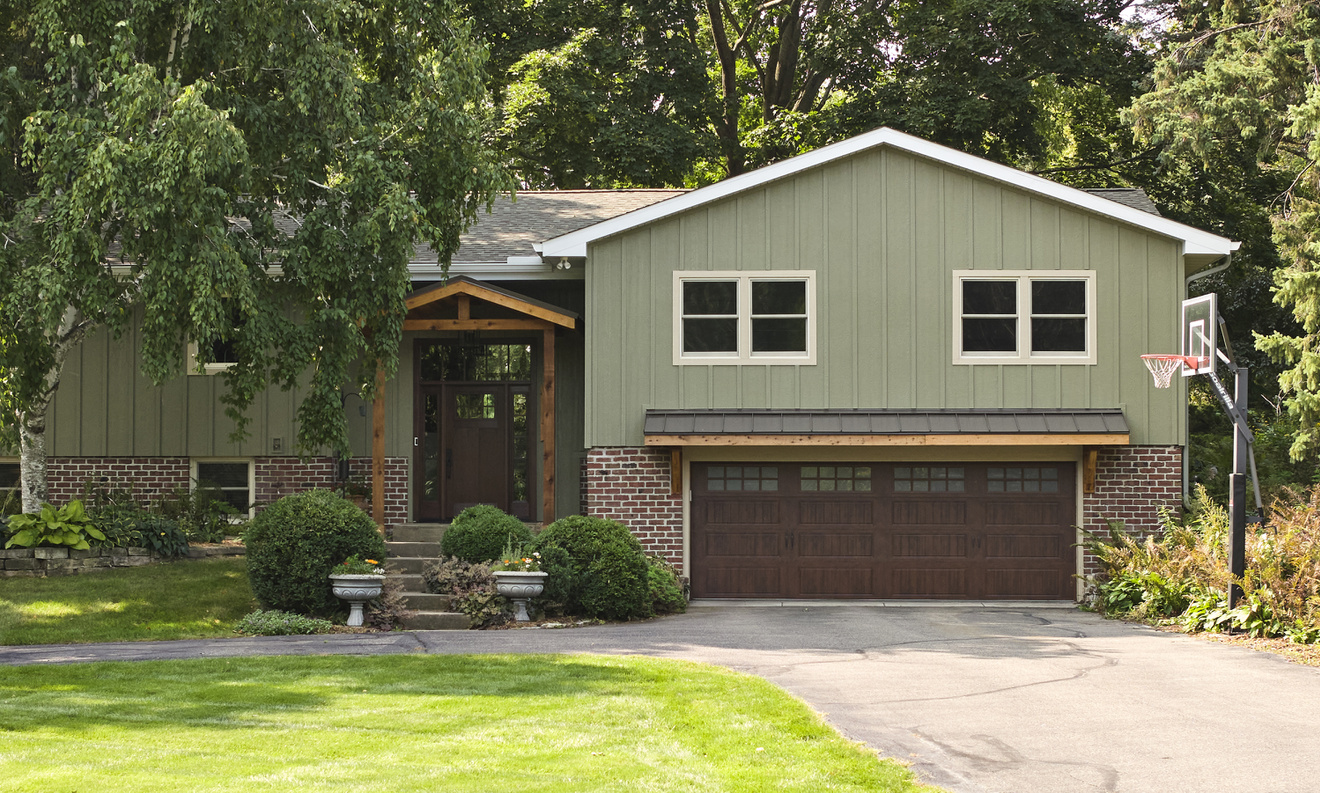
Testing for substrait moisture
Moisture—The Silent Destroyer
Exterior paint is designed to protect your home from Mother Nature, especially moisture—but it can’t do that if moisture is already trapped underneath your new coat of paint. “A careful inspection of the existing conditions of your exterior is essential in identifying those underlying moisture issues,” says Miller.
Common moisture-related issues to look for:
- Painting damp wood
- Failing to seal gaps and joints
- Ignoring areas where water collects or infiltrates
When moisture gets behind the paint film, it pushes outward. That’s when you see bubbling, cracking, and eventual peeling. Remember, a true quality paint job doesn’t just coat the surface—it manages moisture.
In a free market there is no such thing as a free lunch
Cheap Materials
You Get What You Pay For
Not all paint is created equal. Not by a longshot. Lower-cost paints often have:
-
-
- Less pigment (leading to fading)
- Lower-quality binders (affecting adhesion)
- Thinner coverage (requiring more coats to perform well)
-
“We use Duration with a service life of 10 years applied properly for newer homes, and for older wood siding restoration projects, it's Rejuvenate. Both made by Sherwin-Williams,” explains our Paint Production Manager Jim Kaechel.
“The thing about paint is it all looks the same to a homeowner. However,” explains Jim, “If you get a quote from one painter that is substantially lower than others, check the quality of the paint specified for the job. It’s probably not performance paint. And if the quote is higher? Check to see if they’re just inflating their margin, explains Jim.
Higher-quality paints are engineered to withstand UV exposure, temperature swings, and moisture—all critical for longevity.
Here are the attributes of Duration:
-
-
- PermaLast® technology (advanced acrylic resins) → designed for long-term durability
- Excellent resistance to cracking, peeling, and blistering
- Mildew-resistant coating (important for longevity in humid climates)
- Self-priming (on most surfaces)
- Thicker film build than standard paints
- Good hide and coverage (often fewer coats on repaints)
- Low-temp application down to ~35°F
- Lifetime limited warranty (material)
-
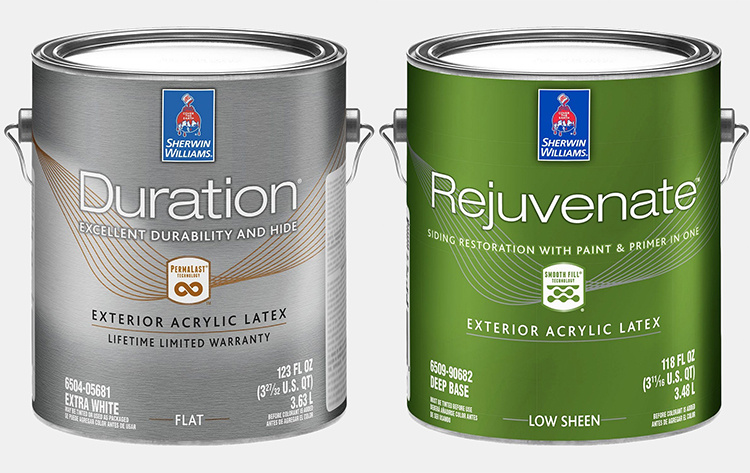
Here are the attributes of Rejuvenate:
-
-
- Paint + primer in one
- High-build / thick application (fills and levels rough surfaces)
- Smooth Fill Technology™ for a more uniform look
- Designed for marginal or weathered surfaces (peeling, alligatored siding)
- Strong adhesion to less-than-perfect substrates
- Stays flexible (helps with movement in older siding)
- Fast drying
- Low sheen only (limits aesthetic options)
- No separate primer needed (in many cases)
-
check the process
Rushed Application
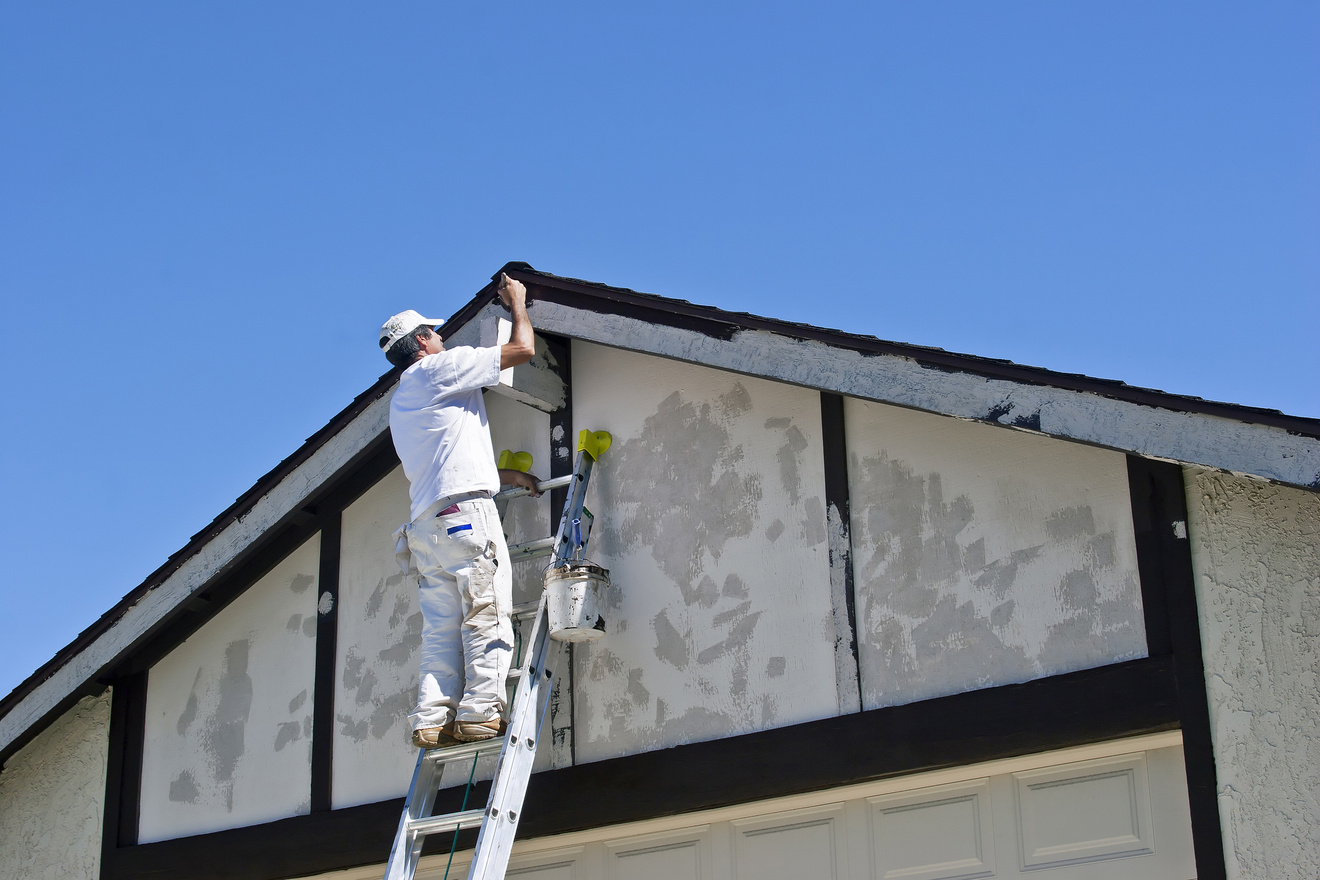
Painting isn’t just about getting color on the house—it’s a process. Here are some common shortcuts that lead to failure:
-
-
- Applying paint too thin
- Skipping necessary drying times between coats
- Painting in poor weather conditions (too hot, too cold, or too humid)
-
These shortcuts may save a day or two during the project, but they can cost years off the life of the paint job. A proper application takes patience—and discipline.
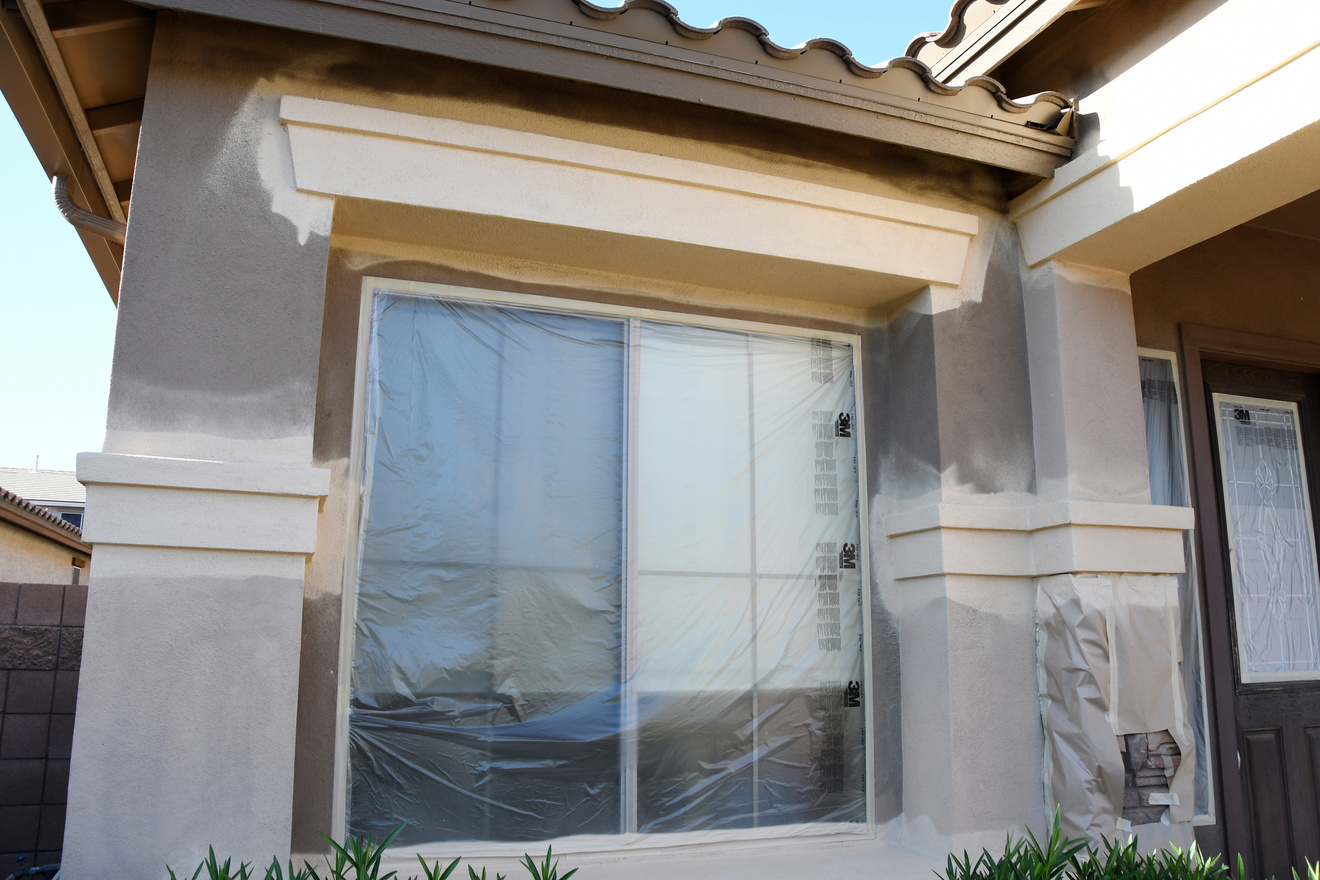
The details matter
Lack of Attention to Details
The small things matter more than most homeowners realize.
Areas like:
-
-
- Trim joints
- End grains of wood
- Caulking lines
- Transition points between materials
-
These are the most vulnerable parts of your home’s exterior. If they’re not sealed and protected properly, they become entry points for moisture and failure.
The difference between a 3-year paint job and a 10+ year one often comes down to how carefully these details are handled.
What are the standards?
“Good Enough” Standards are not good enough
Believe it or not, the biggest issue isn’t technical—it’s philosophical. Many paint jobs are completed to meet a price point, not a performance standard. When the goal is simply to “make it look good,” corners can get cut:
-
-
- Prep is minimized
- Materials are downgraded
- Labor is rushed
-
And while the house may look great on day one, the clock starts ticking immediately.
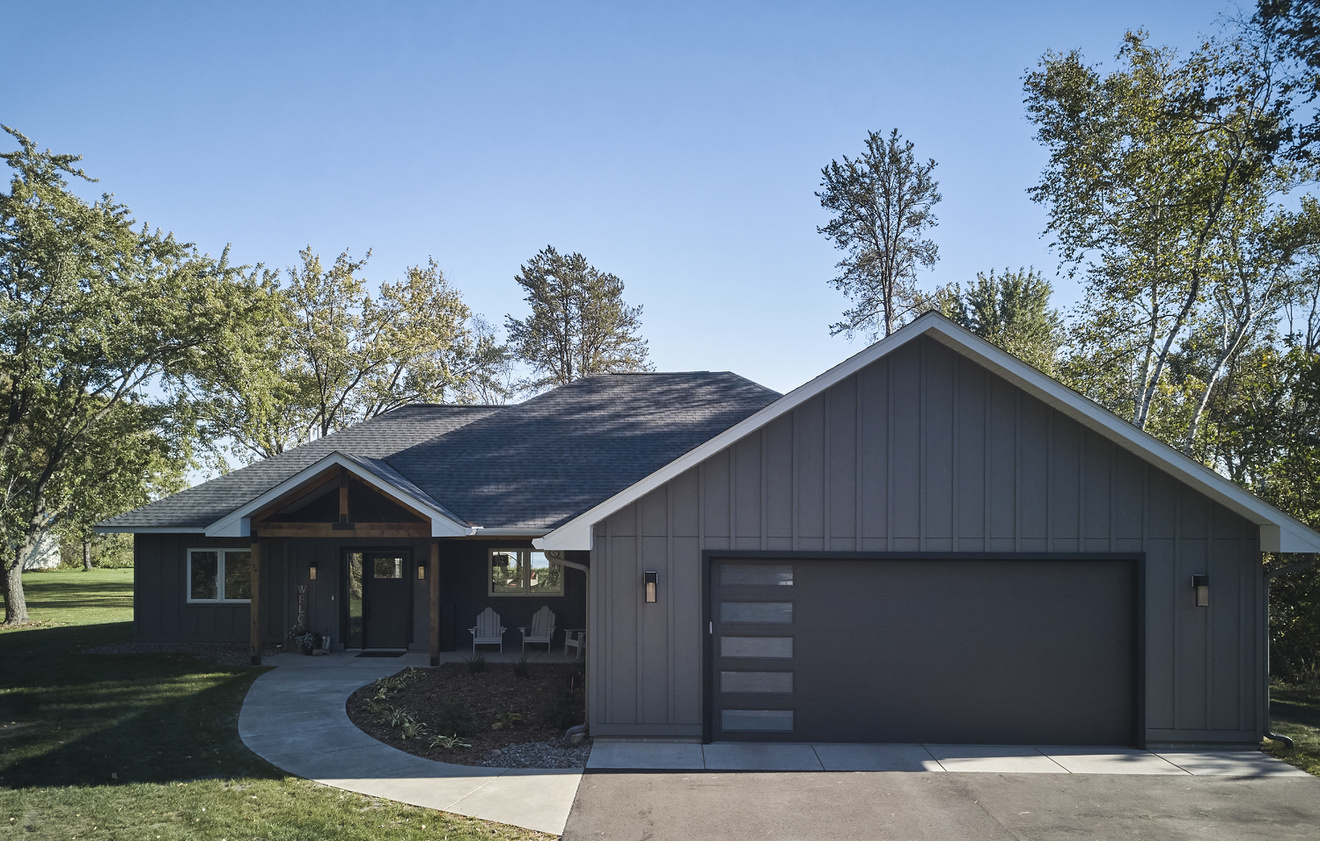
Exterior paint jobs done right should last at least 10 years
The Bottom Line
Most exterior paint jobs don’t fail because painting is inherently short-lived. They fail because the underlying process is incomplete or poorly executed.
A long-lasting paint job requires:
-
-
- Meticulous preparation
- Moisture management
- High-quality materials
- Careful, disciplined application
-
When those elements are in place, there’s no reason a paint job shouldn’t last a decade or more.
“Homeowners always ask me how much it will cost, which is fair enough. However, my response to them is critical to that answer. I ask them, "How long do you want it to last?" Says Kachel.